It’s 2026, and Tbilisi’s real estate market has finally settled down to achieve a measure of calmness and predictability. The boom and chaos of price surges appear to be a thing of the past, as new rules, new laws, and new developments usher in a new stage.
For investors, impulse property purchases are out the window: now is the time for precision, for informed choices vis-à-vis location, and an understanding of legislation, something we bring you in this article.
The Market in Numbers: How Much Can You Earn?
Tbilisi’s property market has finally settled down and matured. The chaotic price swings of recent history have given way to predictability.
In the first five months of 2026, some 18,000 apartments were sold in Tbilisi alone, up 15.5% over the same period last year, for a total transaction volume of USD 1.5 billion.
Here are a few key indicators worth knowing:
- Cost per square meter: If you’re looking for a so-called “white frame” apartment in a new development, expect to pay around USD 1,345–1,398 per sq. m. More sustainable market growth saw prices rise by just 4–6% over the year.
That said, this price is typical primarily for Tbilisi’s more affordable districts, like Didi Digomi. In Saburtalo, prices in new residential complexes generally start at around USD 1,500 per sq. m, and in Vake the price per square meter is considerably higher.
So when comparing properties, it’s worth looking not just at citywide averages but at the specific district. Location is largely what determines a property’s value and investment potential.
- How prices have grown in recent years: Property in Tbilisi is 62.3% more expensive on average in comparison to pre-crisis 2020. Those who invested back then are now well in the black.
- How much you can earn from renting: On average, residential property yields 8.1%–8.6% per year of its value. Yes, that’s slightly lower than at the peak of demand a couple of years ago, but Tbilisi remains a leader — not only in our region but also compared with many European cities. For comparison: in Yerevan this figure is around 6.6%, in Baku 5.2%, and in Bucharest just 4.6%.
- Fewer new construction permits: City authorities have started issuing far fewer permits for new construction (a drop of almost half at 31–45%). This year developers will still hand over a record 35,000 apartments, and they’ll sell out quickly. But by 2027–2028, new housing will simply start running short. And when there’s a shortage on the market, purchase and rental prices automatically creep upward. So right now is a great moment to get into a project with an eye to the future.
The Best Districts to Buy Property in
Choosing a location depends directly on how you want to make money: Are you looking to earn steady rental income every month or resell the apartment once it has appreciated. Below we break down Tbilisi’s most popular districts so you can better understand where you might want to start.
Saburtalo
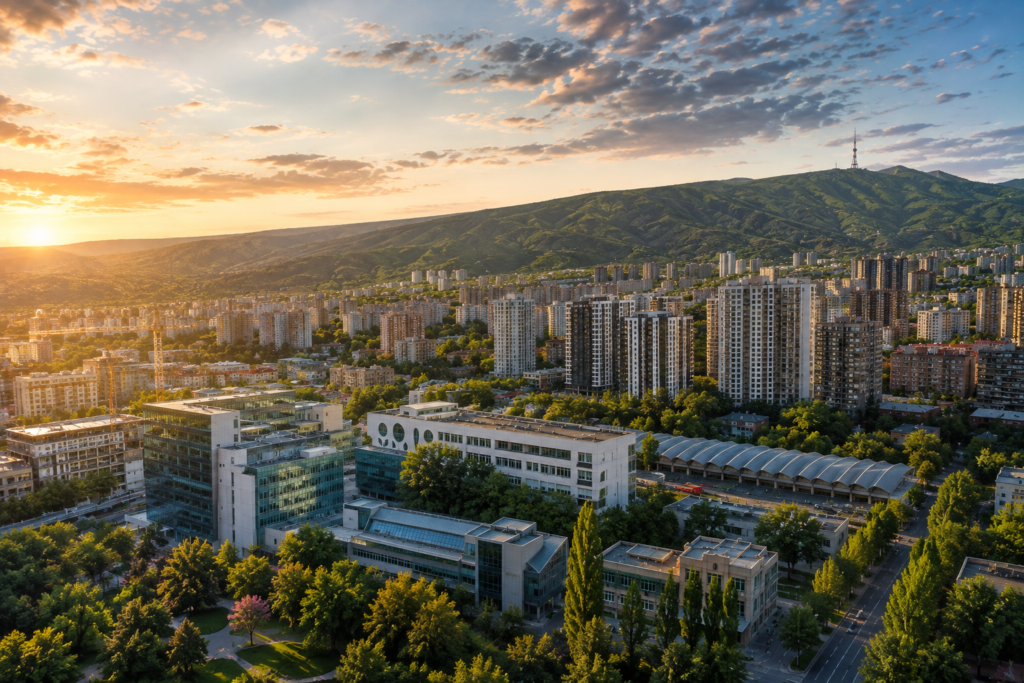
Saburtalo is generally the most straightforward, stable, and sought-after district for foreigners and locals alike. There were 5,911 transactions in Saburtalo in the first 10 months of 2025.
It’s the city’s main business and educational hub and home to the largest business centers, the country’s leading universities, and the biggest mall, City Mall. Rental demand here doesn’t depend on the tourist season.
Your tenants in this location will mostly be students from prestigious universities (including many international medical students), IT workers, and mid- to senior-level managers. The average price for new-build property is USD 1,584 per sq. m, and the average rent is USD 11.7 per sq. m.
According to our forecasts, property values near the Vazha-Pshavela and Technical University metro stations should rise by 15–20% over the next two years, driven by a shortage of available land for development.
Didi Digomi
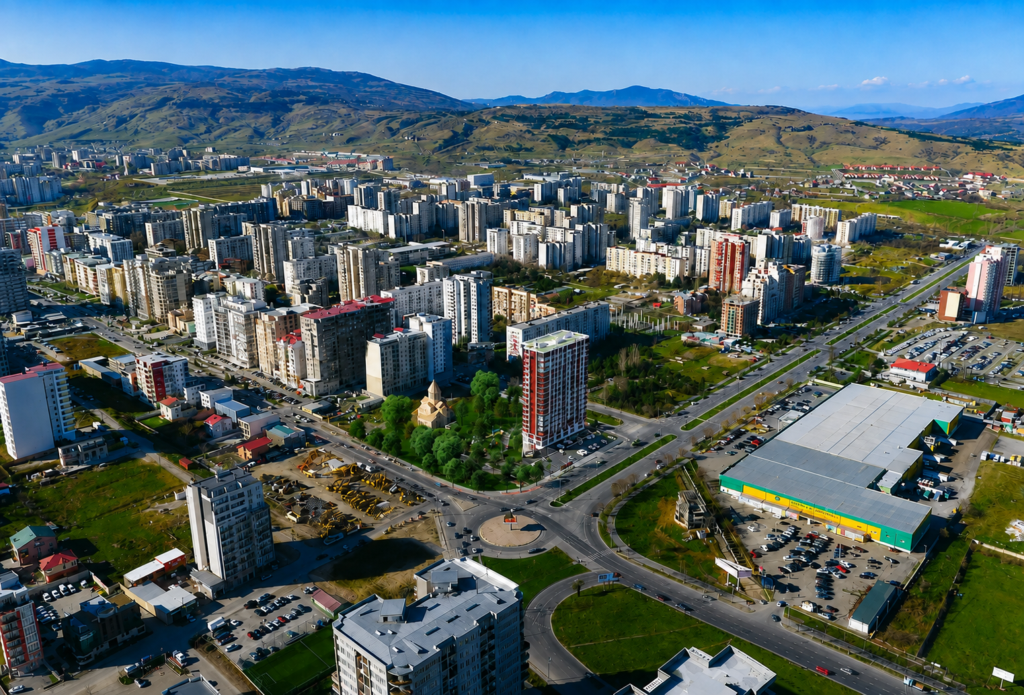
Didi Digomi has long since ceased to be a sleepy suburb: It is now a full-fledged, ultra-dynamic micro-city and the absolute leader in transaction volume with 7,333 deals last year.
The city has allocated a record GEL 30 million for building a new modern tram line that will connect the district to the Didube transport hub, and a metro line extension is proceeding in parallel.
Your potential tenants here are young Georgian families, expats looking for more affordable housing in the newer housing stock, and employees of distributed/remote offices. The entry threshold here is fairly low, Didi Digomi is considered one of the most affordable and comfortable districts in Tbilisi, after all, with prices ranging from USD 850 to 1,400 per sq. m.
According to our forecasts, prices here will rise by 25–30% towards 2028 and the launch of the new fast transit line. If you want to get in early and earn well on a future resale, this is the place to be.
Vake and Vera
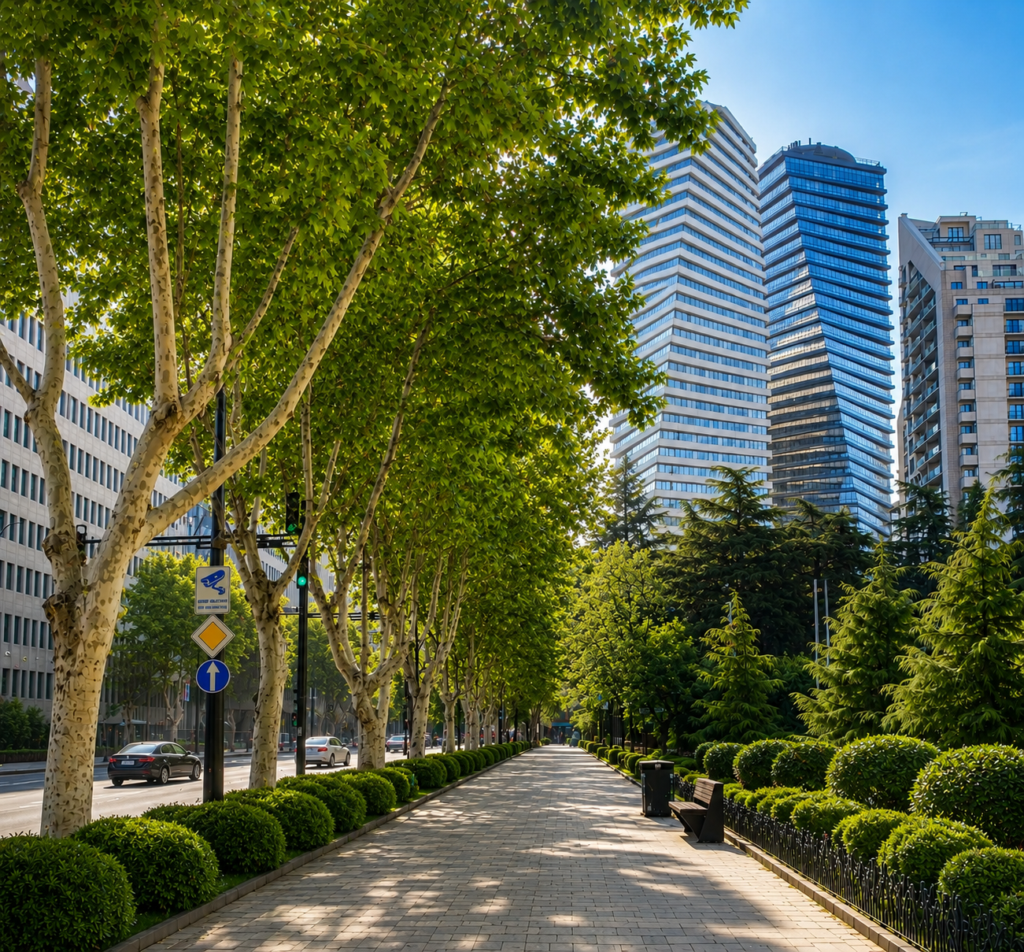
These locations are for investors who prefer to play the long game with premium, trophy real estate and stable, high-ticket, long-term rentals.
Historic and prestigious, this is the district of embassies, consulates, elite private schools, concept restaurants, and the city’s best parks (Vake Park, Mziuri). There’s no land left, and only the most exclusive complexes are being developed here.
The tenants are mostly diplomats, heads of international missions, top executives, and affluent expats. The average sale price is USD 2,521 per sq. m. The price of premium penthouses in landmark projects (such as VR Vake Sky Tower) can easily reach USD 1 million, and rental rates are the city’s highest at an average of USD 15.3 per sq. m.
Mtatsminda and Sololaki
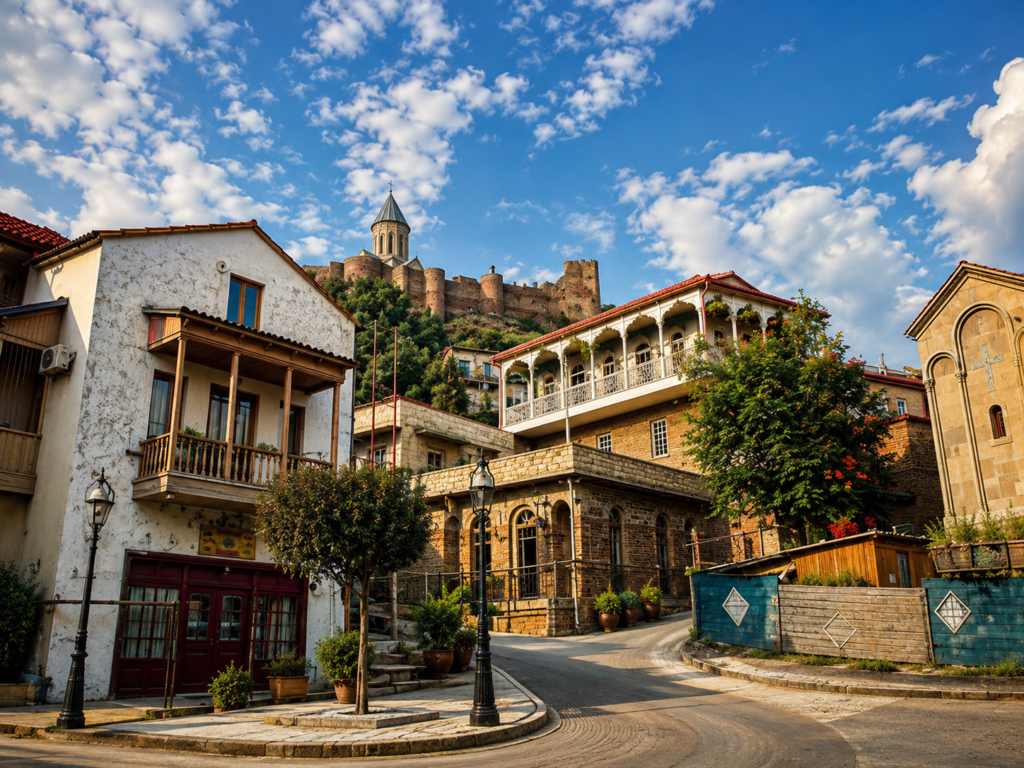
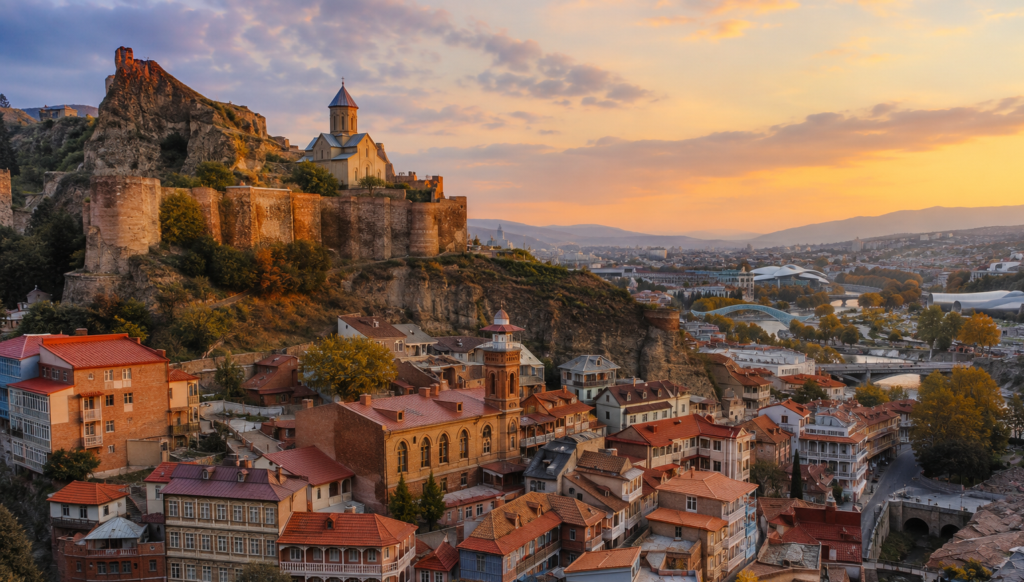
The heart of Old Tbilisi at the foot of Narikala Fortress. There’s almost no free land left here either, which automatically makes every property unique and insulates against depreciation.
This is the best location for a short-term rental strategy. Tourist traffic is hitting record highs in 2026, and apartments in Mtatsminda rented out via Airbnb/Booking bring owners 10–15% annual returns.
Flipping old housing in the district’s colorful Italian courtyards with complex structural and design upgrades is also hugely popular here. Returns per cycle (6–9 months) reach as high as 30%.
Housing prices here are the highest in the city at an average of USD 3,029 per sq. m.
Chugureti and Avlabari
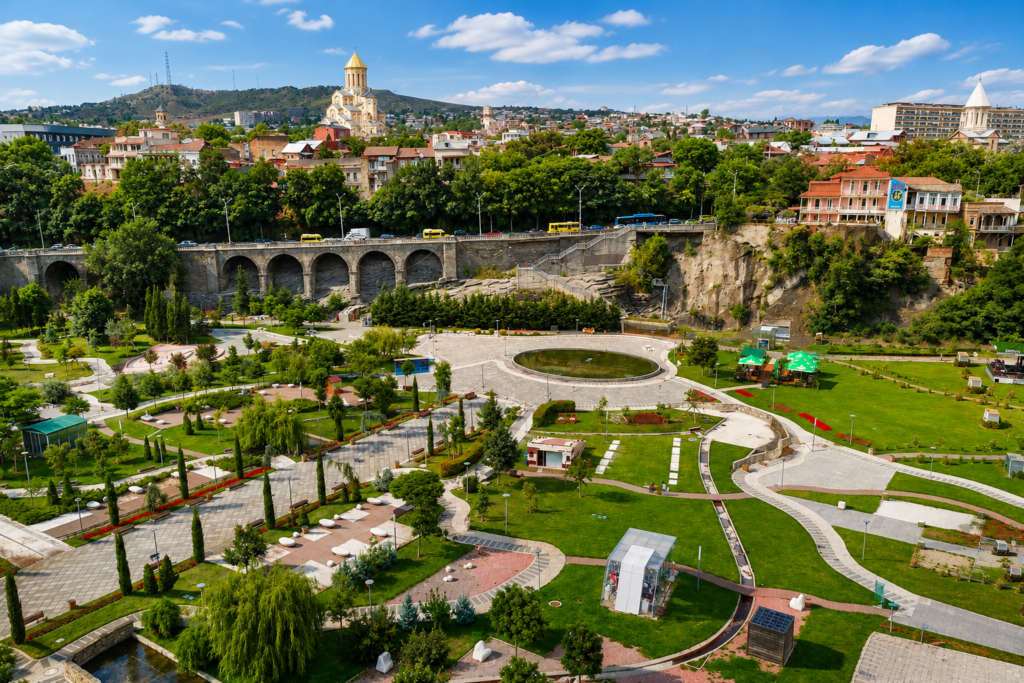
These historic districts are now being actively renovated and redeveloped. They’re quickly being gentrified for IT professionals, freelancers, and the urban hip.
Chugureti
The district is flourishing around the famous Fabrika art space and the Impact Hub coworking space. Historic buildings here blend harmoniously with new loft-style complexes. Expected price growth over the next 2–3 years is up to 20%.
Avlabari
A left-bank district offering postcard-perfect panoramic views over the Kura River and the Old Town. Apartment and boutique hotels are being actively built here, and prices, according to our forecasts, will rise by 20–25% in the next year thanks to the embankment redevelopment.
For convenience, we’ve gathered all the key figures by district into a single table:
| District | Avg. Price ($/m²) | Avg. Rent ($/m²) | Growth Forecast (3 yrs) | Main Investment Goal | Primary Rental Type |
|---|---|---|---|---|---|
| Mtatsminda | $3,029 | $12.3 | Moderate (high base) | Tourism, unique properties | Short-term (Airbnb) |
| Vake | $2,521 | $15.3 | 10–12% | Capital preservation, premium | Long-term (VIP) |
| Chugureti | $1,931 | $9.5 | 20% | Creative class, IT hubs | Mid-term / Daily |
| Saburtalo | $1,584 | $11.7 | 15–20% | Ideal balance of ROI and growth | Long-term (Stable) |
| Krtsanisi | $1,546 | $10.2 | 12–18% | Elite tranquility, eco-location | Long-term |
| Didi Digomi | $1,057 | $8.0 | 25–30% | Maximum capital gain | Long-term (Mass-market) |
We’ve covered the condition of apartments in Georgia and the difference in so-called “frames” in detail in this article.
🚩 We cover all the legal fine print and due diligence in separate articles, but here’s the key point: Georgia still readily grants residence permits for property purchases, and if you need help choosing a property, handling the paperwork, or calculating potential returns, PB Property is here for consultation and to help you through the process.
For greater clarity, we’ve compared Tbilisi with UAE and Bali. Key points:
| Parameter | Tbilisi (Georgia) | Dubai (UAE) | Bali (Indonesia) |
|---|---|---|---|
| Ownership type for foreigners | 100% Freehold (full, unconditional ownership anywhere in the country) | Freehold only in designated investment zones | Mostly Leasehold (long-term lease for 25–35 years with renewal option) |
| Operating costs | Low (turnkey property management takes 5–10% of income) | High (regular Service Charges: AED 12–60 per sq. ft annually) | High (villa management, marketing, and upkeep take 15–25%) |
| Net ROI | 6.5%–7.5% | 5.0%–5.4% | 4.0%–6.0% |
| Rental tax | Flat 5% | 0% (but there’s a hidden 5% municipal fee in DEWA bills) | 10–20% withheld at source for non-residents |
When you consider the big picture, 2026 Tbilisi is the clear winner:
- In Dubai, so much housing has been built that a lot of it now sits unclaimed, causing demand to drop sharply — nobody wants the property, and both prices and rental income have started falling.
- In Bali, the authorities have seriously cracked down on regulation, introducing strict fines, construction restrictions, and rigorous tax and license checks. Buying property blindly here is simply too risky.
Tbilisi looks like the safest option. Everything here is transparent, and most importantly, you’re buying property in full personal ownership forever, with no time limits whatsoever.
Some Important Points to Remember
An investment isn’t just about pure profit — it’s also about knowing how to protect yourself in time. So that you can see the real picture and avoid losing money, we’ve highlighted the three main risks for this year:
1. Too much housing is being built in some districts. In outlying areas like Gldani, Varketili, or the far reaches of Samgori, a huge number of near-identical buildings are being handed over right now while roads and transport infrastructure lag behind. Renting out apartments there is getting harder, and rental prices are stagnating due to fierce competition. So property in these areas needs to be chosen very carefully and selectively.
2. Construction has become more expensive, and developers are starting to cut corners. Construction workers’ wages have risen sharply in Georgia, which has driven up the cost of building itself. To protect their margins, some companies are starting to save on quality — installing cheap elevators or using low-cost finishing materials. So a developer’s name and reputation need to be checked with particular care.
3. Managing a rental yourself is still a headache. If you handle everything on your own, you can easily lose 1–2% of your income. The language barrier with tenants, vacancy periods between renters, minor repairs — all of this eats up time and money. It’s now become standard practice to hand the property over to a professional management company. They take all the hassle off your hands, while you simply track your income through an app on your phone.
Conclusion: Taking the Right Steps
Tbilisi’s market is stable and full of great opportunities. The key is to look at the facts and not the glossy pictures in developers’ brochures.
Basically:
- Looking to invest for resale? Didi Digomi, and the closer to the future rapid tram line the better
- Looking for passive income every month? Buy small “euro two-room” apartments (1+1 layout) in well-developed Saburtalo or colorful Chugureti — they’ll always be easy to rent out
- Need to preserve significant capital? Choose premium club houses in Vake or modern eco-residences in Krtsanisi
If you still have questions, are finding it hard to choose a district, or want to vet a developer — we’re here to help. The PB Property team can guide you through every step, from legal due diligence and opening a bank account to calculating your real potential returns.
Come by our office to discuss your goals — the cup of great Georgian coffee is on us!